


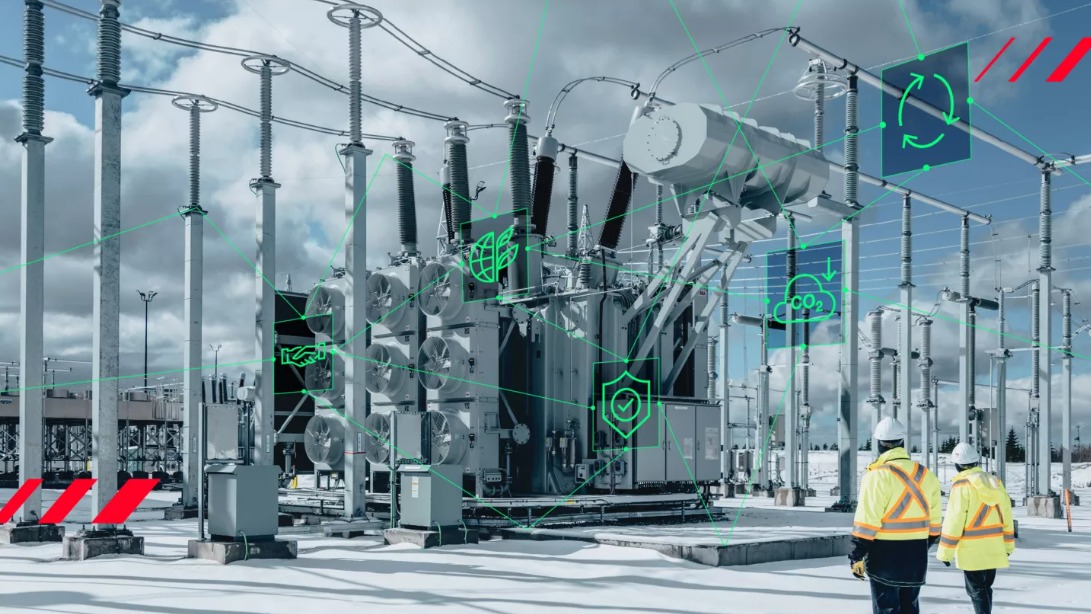
Environmental impact of transformers today
Environmental impact of transformers in europe and spain
The environmental impact of transformers has become a critical factor in the electrification process in Europe and Spain. As sustainability-oriented public policies intensify, it becomes essential that both manufacturers and governments take an active responsibility in the transformation of electrical infrastructures.
Currently, many transformers still operate with substances such as polluting mineral oils or non-recyclable materials, which aggravates their ecological footprint. In addition, unnecessary energy consumption, due to inefficient or poorly designed equipment, generates indirect carbon emissions that end up negatively affecting the environment and offsetting the commitments made in the European Green Pact.
Demands for energy efficiency and responsible use of resources make transformers a key element in complying with strict regulations such as those imposed by the European Commission. To properly address this problem, the approach must go beyond recycling and must encompass the entire life cycle of each component, from material selection to maintenance phases and final disposal.
The environmental impact of transformers cannot be reduced without direct intervention from the manufacturing stage, which is why the choice of sustainable suppliers is becoming essential for public institutions, industrial facilities and power distribution centers. The environmental impact of transformers is even becoming a mandatory line of assessment in national green public procurement strategies.
European manufacturers facing Asian competition and environmental regulation
The current market reality shows that there are few European manufacturers capable of offering environmentally responsible solutions in the field of transformers. Much of the supply comes from Asian suppliers, whose manufacturing processes often lack rigorous control over sustainable criteria.
The indiscriminate use of low-quality materials, poor design and limited service life not only deteriorate operating performance, but also significantly increase the ecological impact of the equipment over time. These practices call into question the regulatory compliance required by European regulators, both in terms of safety and environmental impact of transformers installed in public and private infrastructures.
Governments and regulatory bodies in Europe, especially in the Spanish context, are showing a growing interest in establishing stricter regulations aimed at clean and efficient electrification. Regulations such as Regulation (EU) 2019/1783 establish minimum efficiency requirements for energy transformers, which has made it necessary to rethink the origin and design of this equipment.
Faced with low-cost supply but questionable reliability, regulatory bodies are recognizing the urgency of valuing European suppliers with certificates that demonstrate traceability of materials and ecological responsibility throughout the production chain. This approach not only seeks to reduce the environmental impact of transformers, but also to ensure technical reliability, compatibility with smart grids and a real reduction in energy consumption in practical application.
Therefore, in a scenario where sustainability is no longer an option but an obligation, relying on European manufacturers with proven credentials, such as Torivac, represents a strategy of real commitment to the environment and to compliance with the regulations imposed by the competent authorities.
Torivac as a partner in green electrical transformation
Torivac has understood that the environmental impact of transformers is not a secondary issue, but one of the key pillars to achieve sustainable and efficient electrical systems. Its proposal is based on the development of transformers manufactured with environmentally friendly materials, responsible with the environment and aligned with the most advanced standards of the European market.
In addition to the use of recyclable raw materials and a low-emission manufacturing process, Torivac incorporates technological solutions that optimize the transformer’s energy performance throughout its lifetime, with reduced losses and a proven improvement in operational efficiency.
Torivac’s commitment is of tangible value to governments and regulatory bodies seeking reliable suppliers, as it provides detailed technical documentation, provides certifications compatible with European directives and ensures full traceability of each unit manufactured.
Torivac not only proposes a more conscious commercial alternative, but raises the industry standard by demanding verifiable sustainability from the first step to the last kilowatt transported. Energy companies, public entities and electrical infrastructure managers can rely on Torivac to deploy solutions backed by responsible engineering, reduced environmental impact and technical durability even in complex environments.
Smart investments are increasingly turning towards proposals such as Torivac’s, whose production is aligned with the fulfillment of Sustainable Development Goal 7 (affordable and clean energy) and European commitments in the fight against climate change. Faced with a scenario in which the decarbonization of electricity systems has become a national priority, delegating this mission to reliable players can make the difference between symbolic progress and real impact.
Going for sustainability is no longer a choice but a necessity
Every decision related to the procurement, installation and operation of transformers is of strategic value today. In a European scenario where energy sustainability becomes one of the main vectors of development, assessing the environmental impact of transformers takes on critical importance. The ecological transition will not be achieved without a thorough review of the electrical components that support our infrastructures.
Torivac has taken up this challenge, demonstrating that it is possible to innovate without compromising the environment. Its rigorous approach to energy efficiency, rational use of materials and responsible engineering is inspiring multiple institutional players to rethink their purchasing and network planning decisions.
The opportunity to move towards cleaner and more efficient grids must go hand in hand with alliances with committed manufacturers that not only comply with regulations, but also exceed them with cutting-edge proposals. In short, those who lead the transition from a technical and ecological perspective will be better positioned to access European funds, sustainable public procurement contracts and lasting strategic alliances with governments and leading companies.
That is why, now more than ever, opting for solutions such as those offered by Torivac is not only advisable, but indispensable for those seeking positive impact, regulatory compliance and a reputation aligned with the demands of a cleaner electric future.